
Embedded credit for Africa's informal economy.
Lead Product Designer · Product Design, Research, Branding & Marketing
Two years, evolving scope. I started with the product team, testing and iterating on loan repayment flows and then moved into research, brand, and marketing as the company grew. We all were aligned on the same mission: get close to the people we were building for.
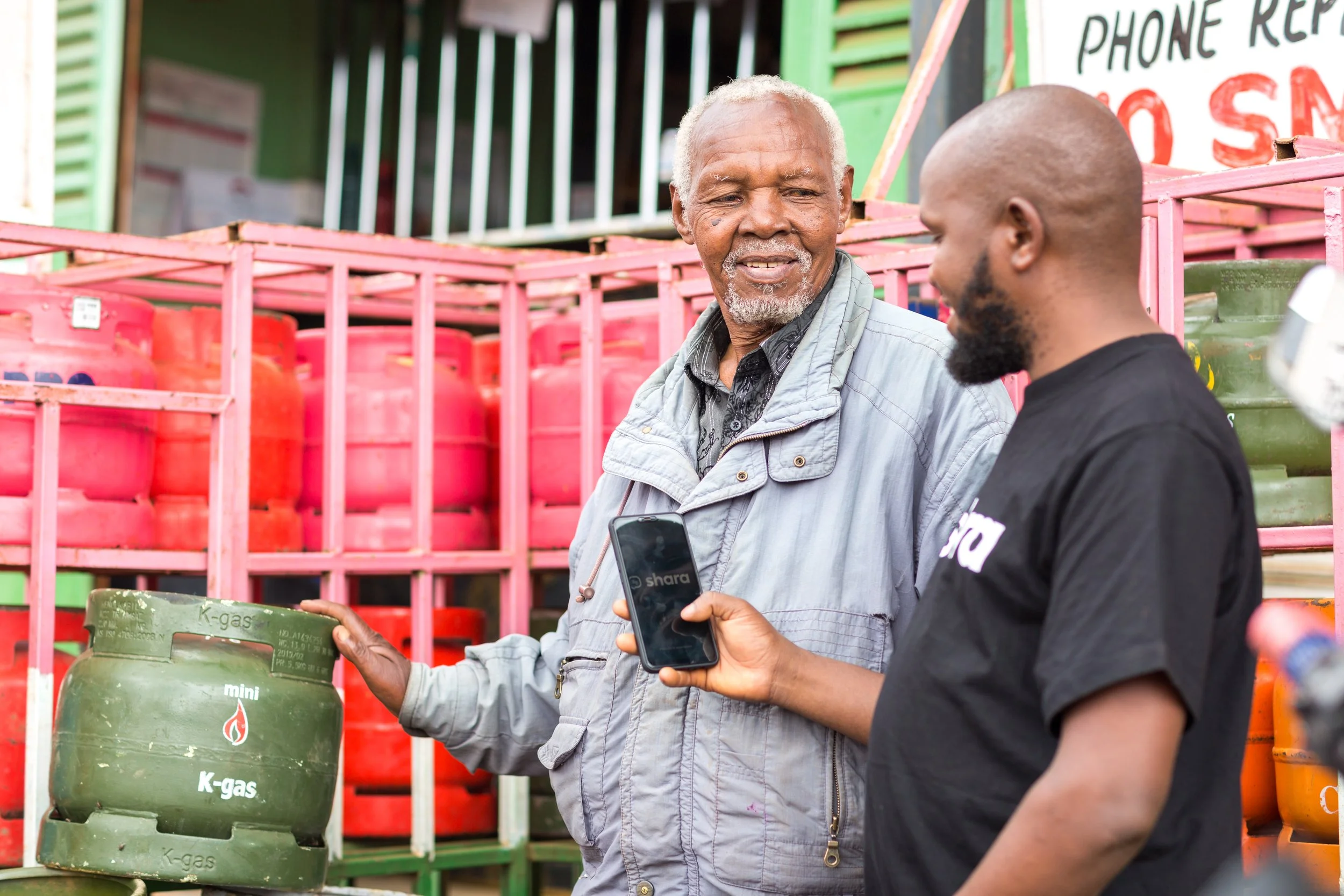
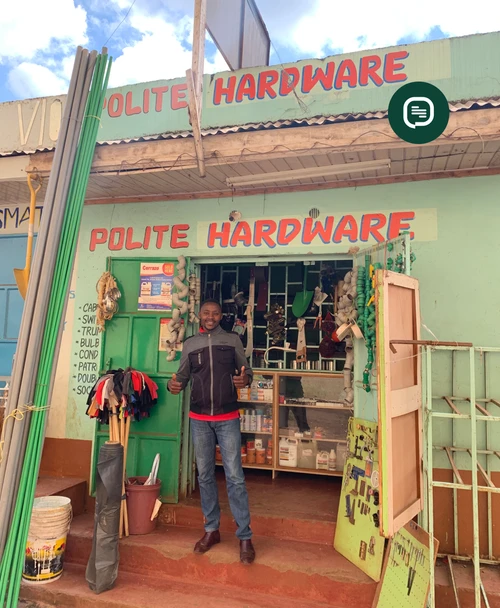
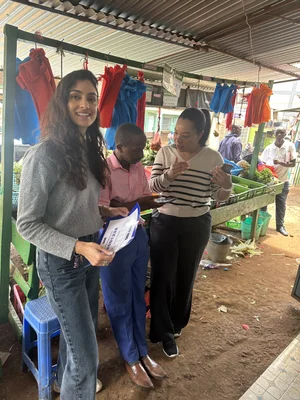
My favourite work at Shara wasn't always designing behind a screen, it was the days in the field talking to our merchants. I took a photographer to Gachie market and we spent a day documenting merchants and their customers. We captured the actual relationships that Shara's credit model was built on and those images became the brand.
IMPACT
Customers Served
14,033
Loans Processed
554,526
Lifetime RR
98.7%
KES Loan Value
6.4 Bln
Kenya's 2.4M SMEs face an expensive & fragmented banking system
Banks don't serve small businesses in Africa. High fees, collateral requirements, minimum balances. So merchants do what they've always done: finance their best customers themselves, out of their own stock But it caps their growth. Every shilling extended to a trusted customer is a shilling that can't restock the shelf.
Shara's question was: what if we could formalise that trust, digitally, without disrupting it?
Research
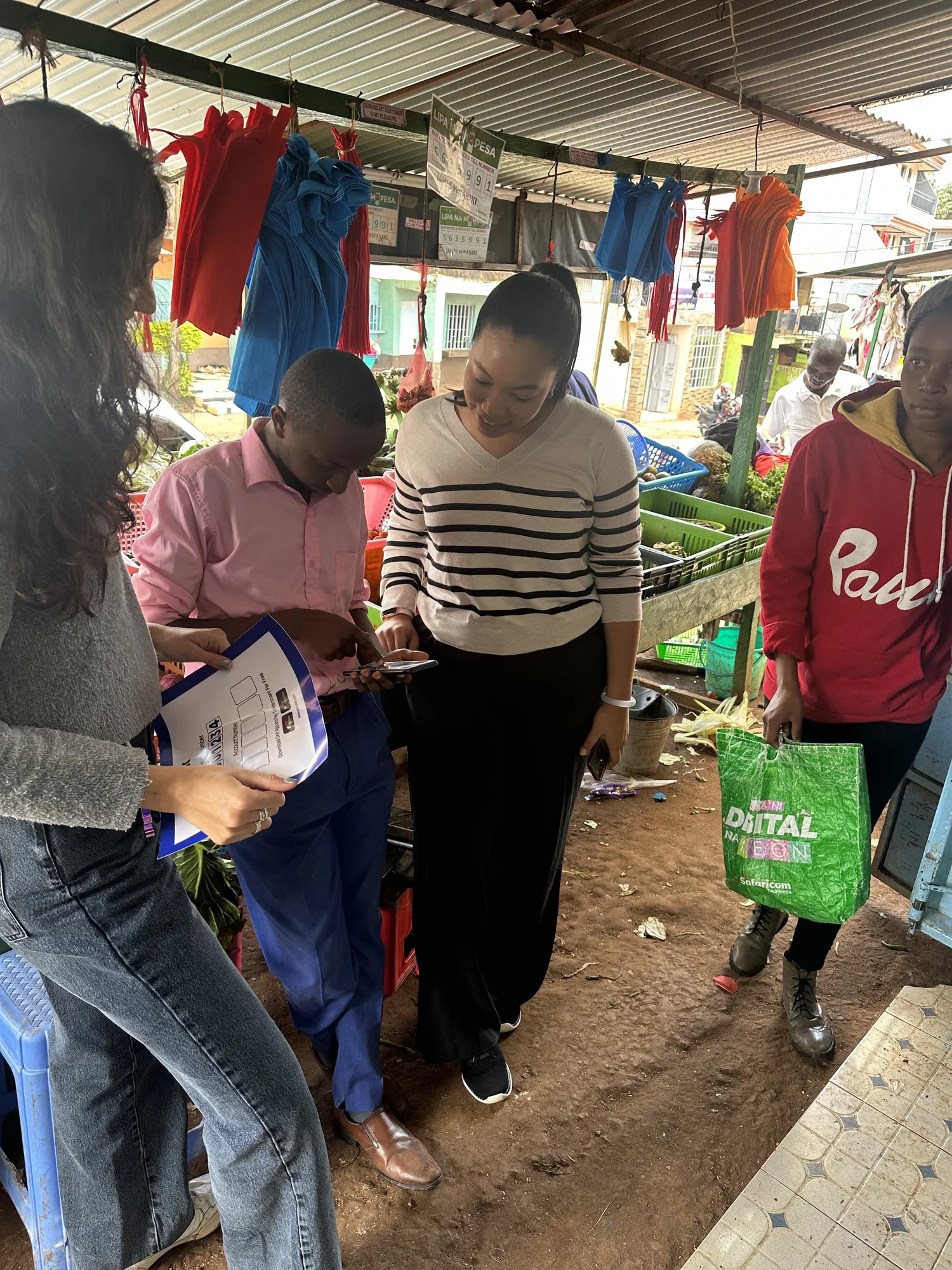
We did the market visits before the wireframes. Nairobi's markets gave us things that no phone-based user interview could. The pace of a transaction, the body language of extending credit, what "trust" looks like between a hardware store owner and a customer who's been coming for years.
I built prototypes in Figma, mirrored on Android devices, and watched merchants use them in context. The gap between what we assumed and what we observed was the whole product.
Key Learnings
Merchants weren't avoiding digital finance because they didn't understand it. They were just opting out of systems that didn't work for them.
The insight that changed everything: people in these communities almost never default on each other. Trust within close networks is incredibly strong.
The design challenge wasn't building credit from scratch, it was making that existing trust legible to a financial product.
We also learned what not to build. We tested a consumer-facing app that let merchants' customers manage their own credit. Merchants hated it. They wanted to stay in control of their own credit cycles, privately. We killed that feature and the product got better for

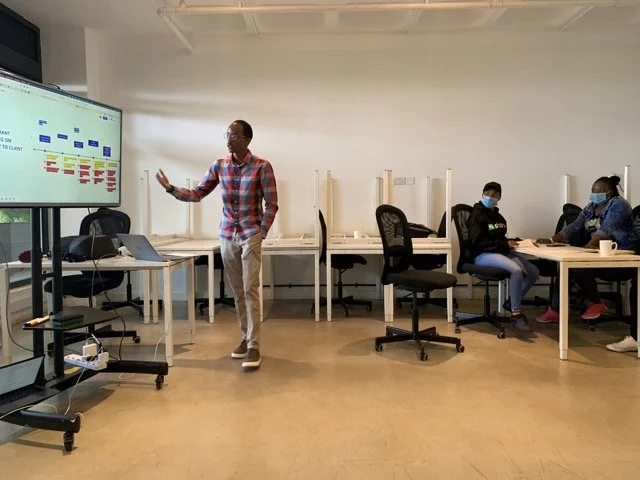
Testing and iteration
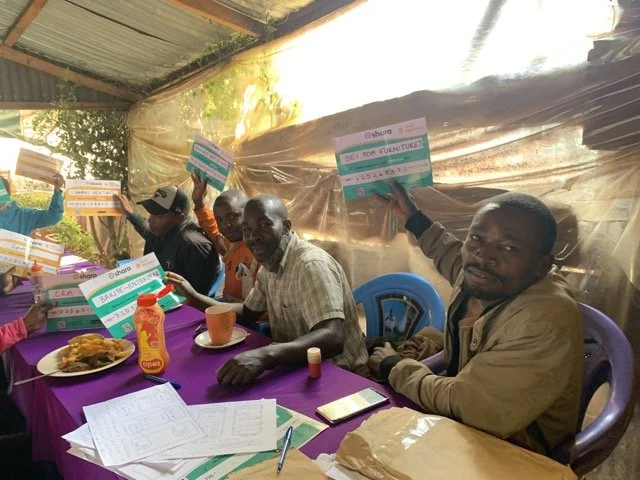
Beta cohort covered hardware stores, furniture makers, and FMCG distributors. The range mattered different businesses, different credit cycles, different relationships with their customers.We iterated fast. Feedback came from the field, not from forms. If something wasn't working, we usually knew within a week of putting it in front of a real merchant.
Design & documentation
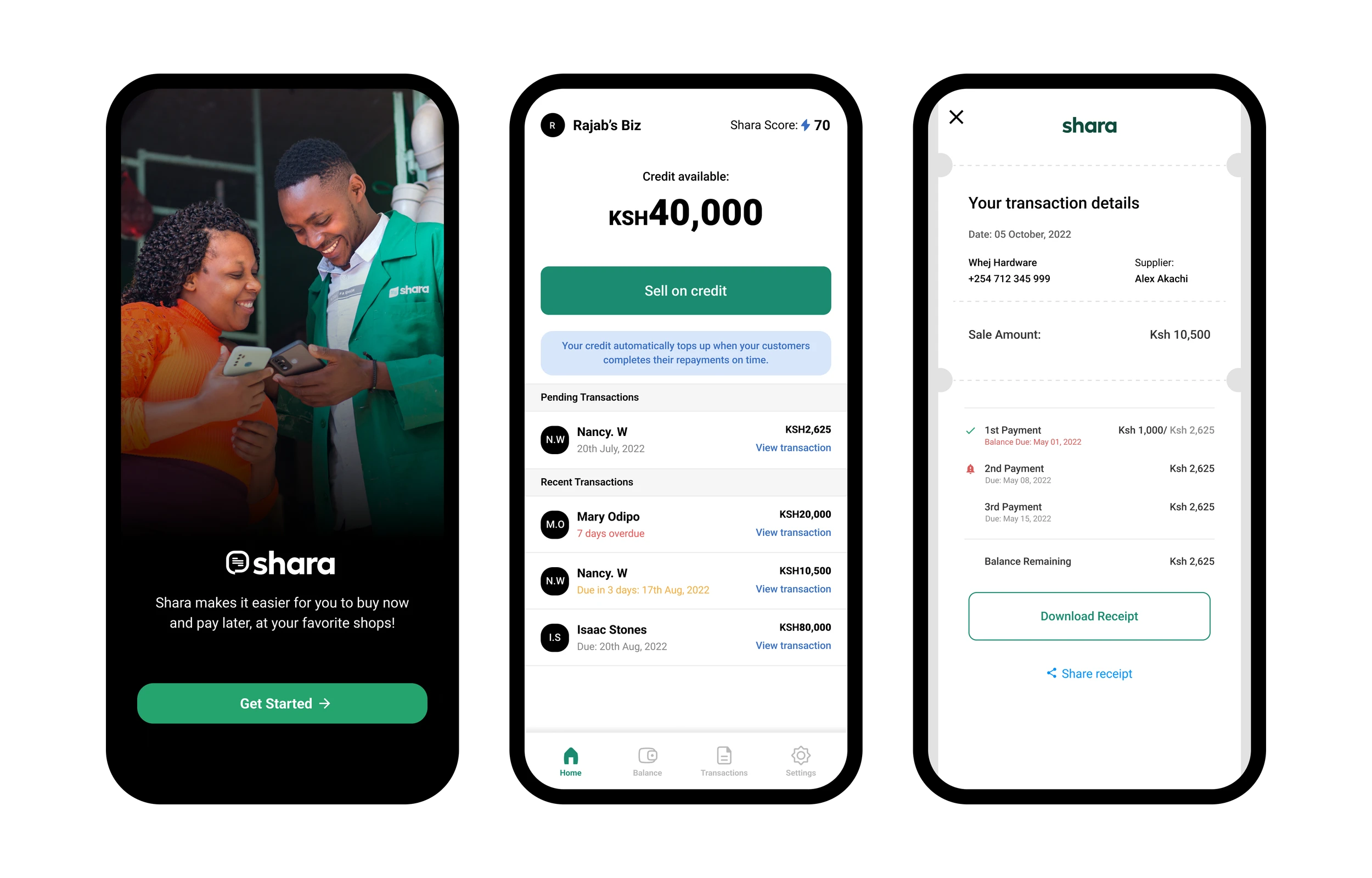
Continuous experimentation allowed us to refine both our product offerings and design language. We built on Shara’s reputation as a reliable financing solution with stellar customer support and innovative credit offerings. Key design decisions included:
Brand Identity:
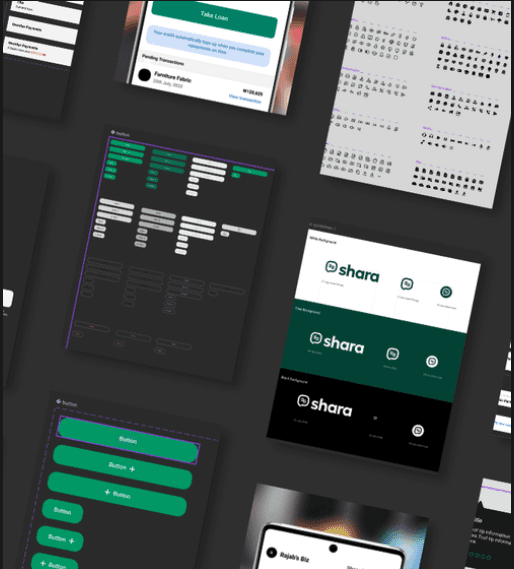
Color Palette: We chose a modern, approachable color scheme that conveys trust and reliability. Soft greens, white and black to represent financial stability and growth.
Typography: Clean, sans-serif fonts were selected for readability and to convey a sense of modernity and professionalism.
User Experience (UX):
Seamless Onboarding: Streamlined to allow users to open an account quickly with minimal steps. Digital KYC (Know Your Customer) processes were implemented to facilitate this.
Personalized Dashboards: Tailored based on user type (e.g., SME owner, consumer) to ensure relevant information and tools are readily available.
Integrated Support: Customer support features, such as live chat and a comprehensive help center, were embedded within the app, ensuring users can easily get assistance when needed.
Community Leads: All Shara merchants were assigned a customer support rep or Community lead who could visit their shop and help troubleshoot when needed.
Visual and Interaction Design:
Micro-Interactions: Small, thoughtful animations and interactions were added to enhance user engagement and provide feedback, making the app feel more responsive and intuitive.
Iconography: Custom icons were designed to be clear and universally understandable, supporting users with varying levels of literacy and tech-savviness.
Responsive Design: The platform was designed to be fully responsive, ensuring a seamless experience across different devices and screen sizes.
Community Engagement:
User Stories and Testimonials: Real user stories and testimonials were incorporated within the app and marketing materials to build credibility and connect with potential users on a personal level.
Feedback Loops: Regular feedback sessions and usability tests were conducted with users to continuously gather insights and iterate on the design, ensuring the product evolves with user needs.

Shara was where I learned that the most important design work happens before you open Figma. The product is stronger because we went to the market first and got close to users
